What is AI Search Visibility (AIO/GEO) and why it’s the new SEO?
AI Search Visibility (also known as AIO or GEO) is the new standard in digital marketing that measures and optimizes your brand's ability to be mentioned, cited, and ranked in answers generated by Large Language Models (LLMs) like ChatGPT, Gemini, and Google AI Overviews. It is the new battlefield for brand influence.
Traditional SEO focused on driving traffic via clicks; AIO (AI Optimization) focuses on building trust and dominating the conversation in the direct answers that customers receive. If your brand is not cited by the AI, you do not exist in the new customer journey.
1. Why is traditional SEO no longer enough?
The traditional customer journey relies on the user clicking through a list of links. This model is now under attack by generative AI.
What is the difference between clicks and citations?
Before (SEO): When someone searched for "best running shoes," they received 10 links and clicked one of them.
Today (AIO): When someone asks ChatGPT the same question, they receive a direct answer listing 3–5 brands and their characteristics. Only the brands cited and ranked highly in that response win.
If Google, Perplexity, or ChatGPT can provide the complete answer without the user needing to click, the direct citation becomes your most critical metric. The shift requires a focus on winning across the entire AI Search Funnel or GEO Funnel.
2. The 3 pillars of AI search visibility
To win in the new AI landscape, you must focus on three strategic pillars that Nimt.ai measures.
A. AI visibility & share of voice (SoV)
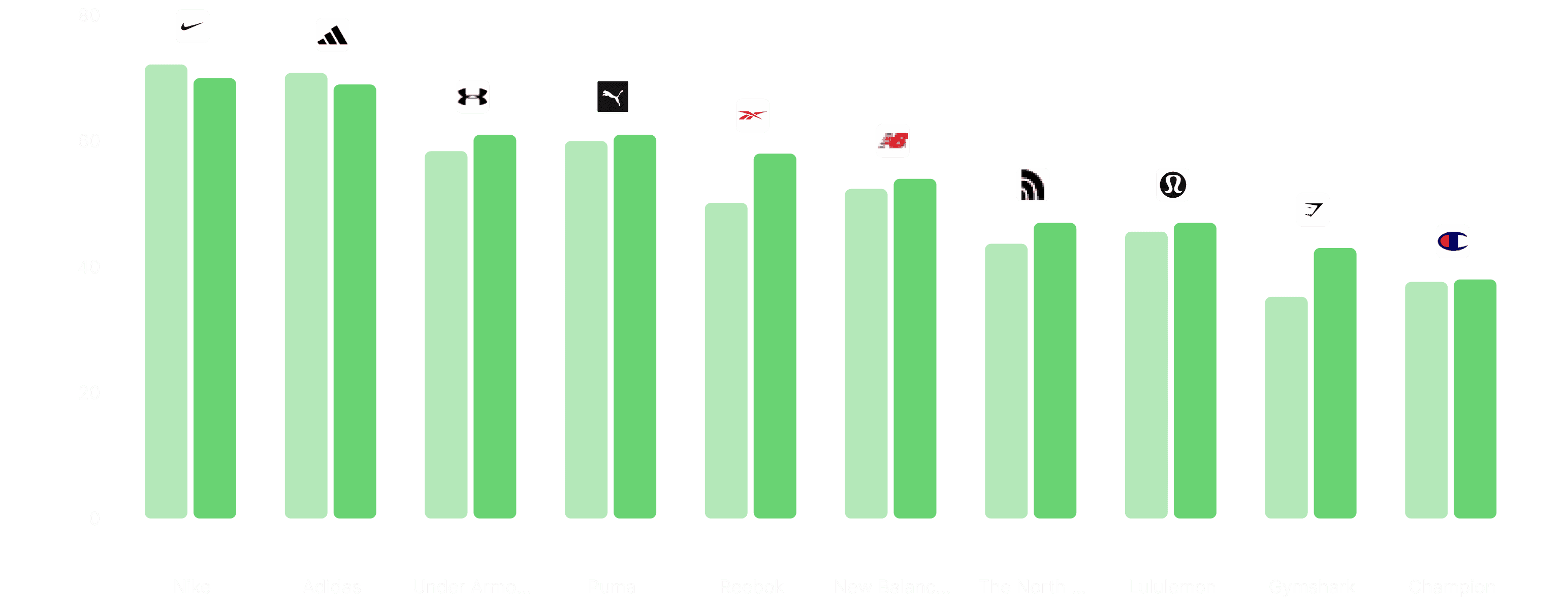
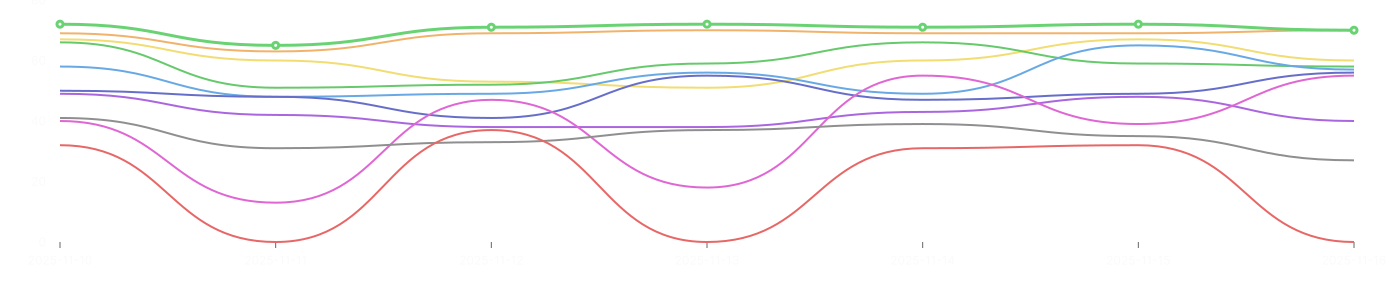
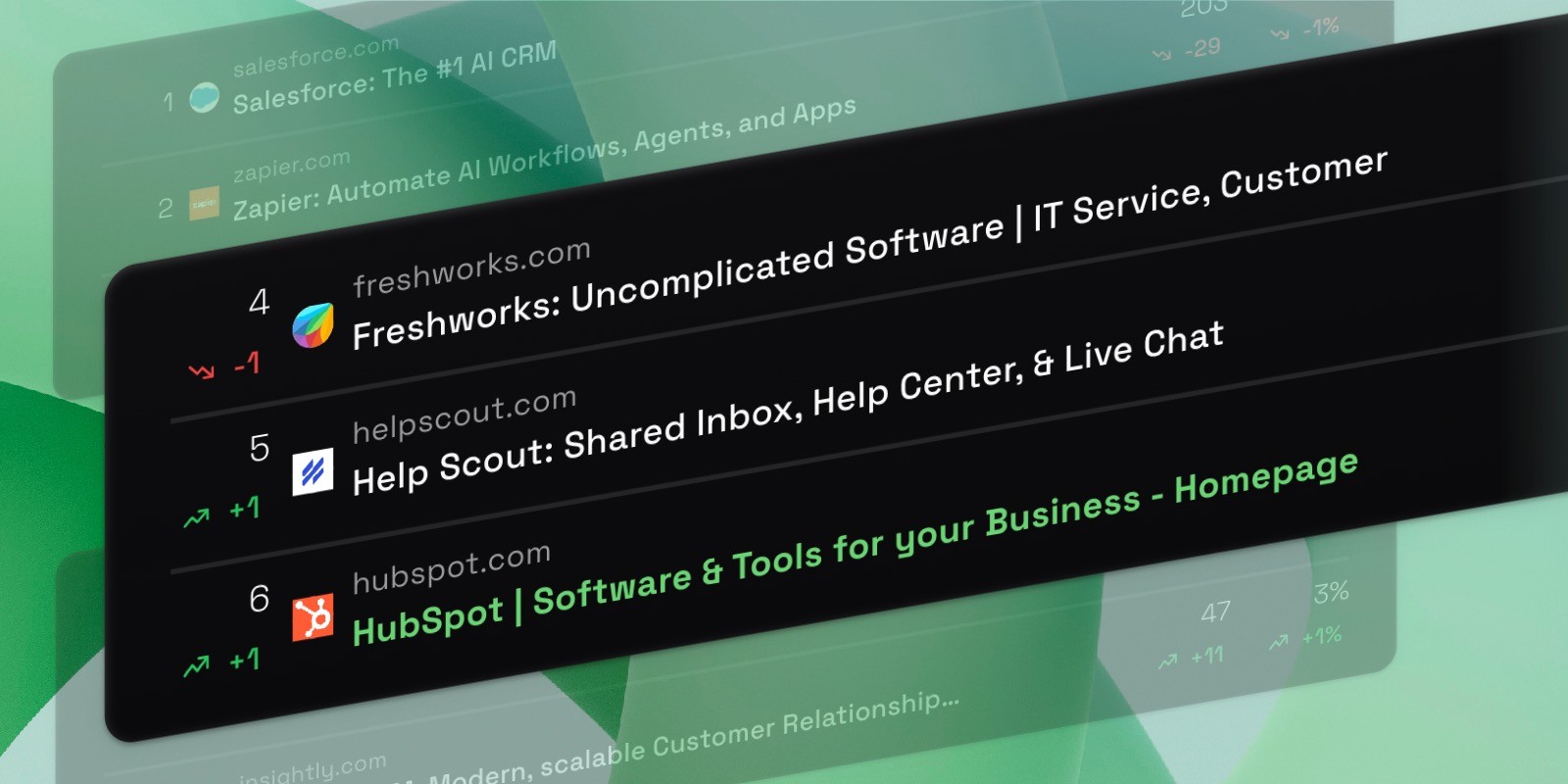
AI Visibility measures how often your brand is mentioned in AI responses compared to the total number of tracked prompts. Share of Voice (SoV) puts this in a competitive perspective: what percentage of the conversation on a specific topic does your brand own, relative to your competitors?
Insight: If your competitor has 40% SoV and you only have 15%, you know exactly who dominates the customer's perception. Dominating SoV is critical for moving users through the GEO Funnel.
B. Source authority (Source Tracker)
AI models don't "hallucinate"; they compile information from sources. Knowing which sources they use is crucial.
How do you win the source battle?
Identify the winners: Use the Source Tracker to see exactly which domains and pages the AI models trust.
Optimize your data: Ensure your own content is structured (with Schema Markup and FAQs) so that it is easier for the AI to cite your domain over a competitor or a third party. This includes updating and creating AI-optimized business listings.
C. Sentiment and ranking
It's not enough to be cited; you must be cited in a positive context and early in the response.
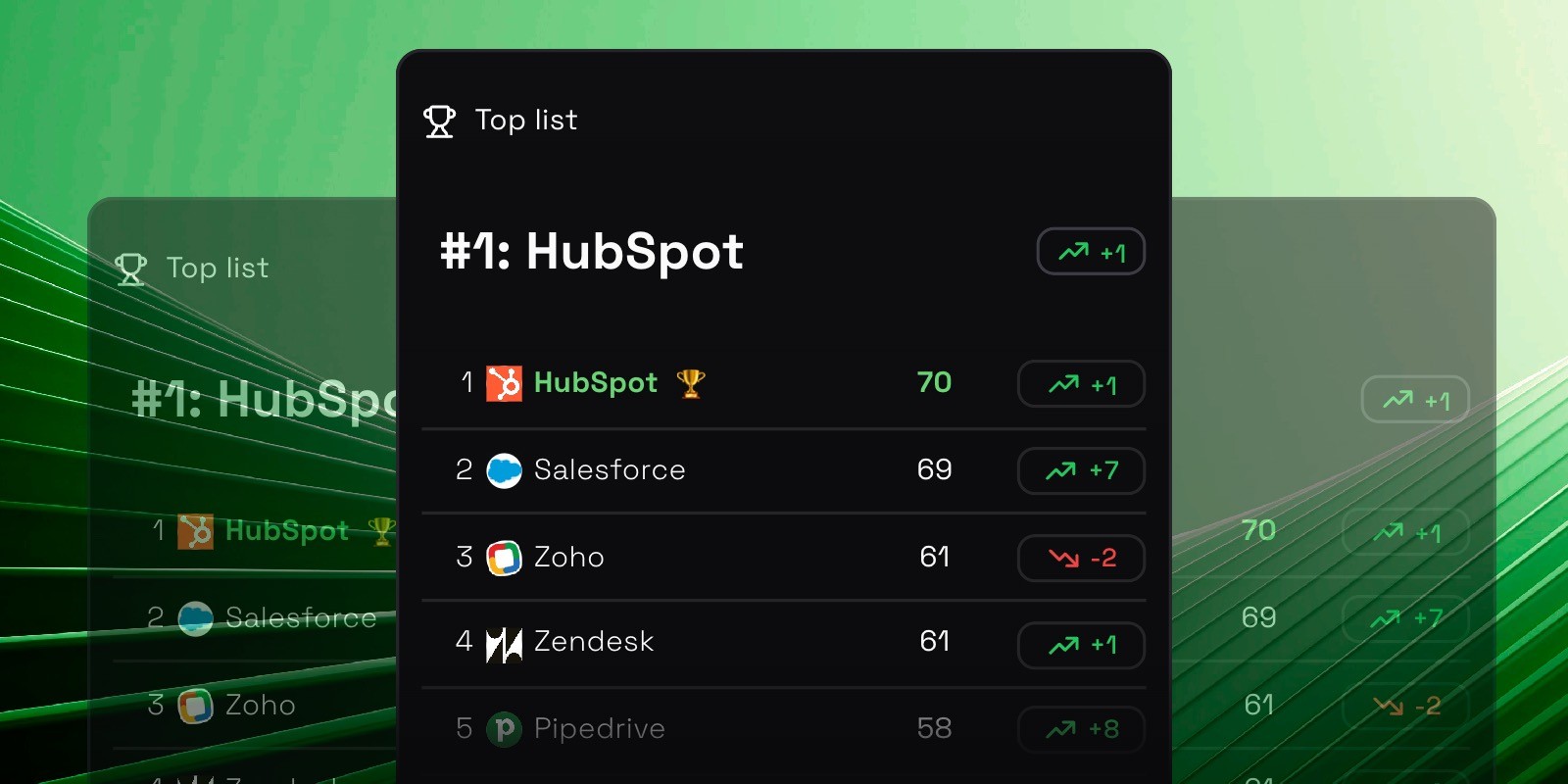
Ranking: Measures your average position within AI responses (Position 1 is the winner). High ranking is essential to be recommended by ChatGPT and other LLMs.
Sentiment: Uses analysis to determine if the AI model discusses your brand in positive, negative, or neutral terms. This is the key to managing brand risk.
3. Get started with AIO today
AI models are restructuring the web faster than any previous SEO update. Waiting means giving away competitive advantage.
Here's how to start your AI optimization strategy:
Map your prompts: Define the exact questions your customers are asking at every stage of the buyer journey (Informational, Transactional, Branded).
Measure the baseline: Use a platform like Nimt.ai to measure your actual baseline in Visibility, SoV, and Ranking against your competitors.
Act with data: Use the insights (especially the Boost feature) to get precise instructions on what content you should update or create to steal citations and win the conversation.
Summary
AI Search Visibility is the new standard for brand performance. It measures influence, not clicks. To succeed, you must shift your focus from traffic to credibility and use Nimt.ai to get the data you need to dominate the conversation in LLM responses and secure your brand's place as a recommended source.
November 26, 2025
7
MIN READ